High Availability
Using SAN for High Availability
What is High Availability (HA)?
High Availability (HA) refers to the ability of an IT system to remain continuously operational, with minimal or no downtime, even in the event of hardware or software failures.
In simple terms:
- HA means your systems are always up and running.
- Businesses often define HA with terms like “five nines” availability (99.999%), which equals less than 5 minutes of downtime per year.
For storage systems, downtime could mean lost access to critical data — which is unacceptable in industries like healthcare, banking, aviation, or e-commerce.
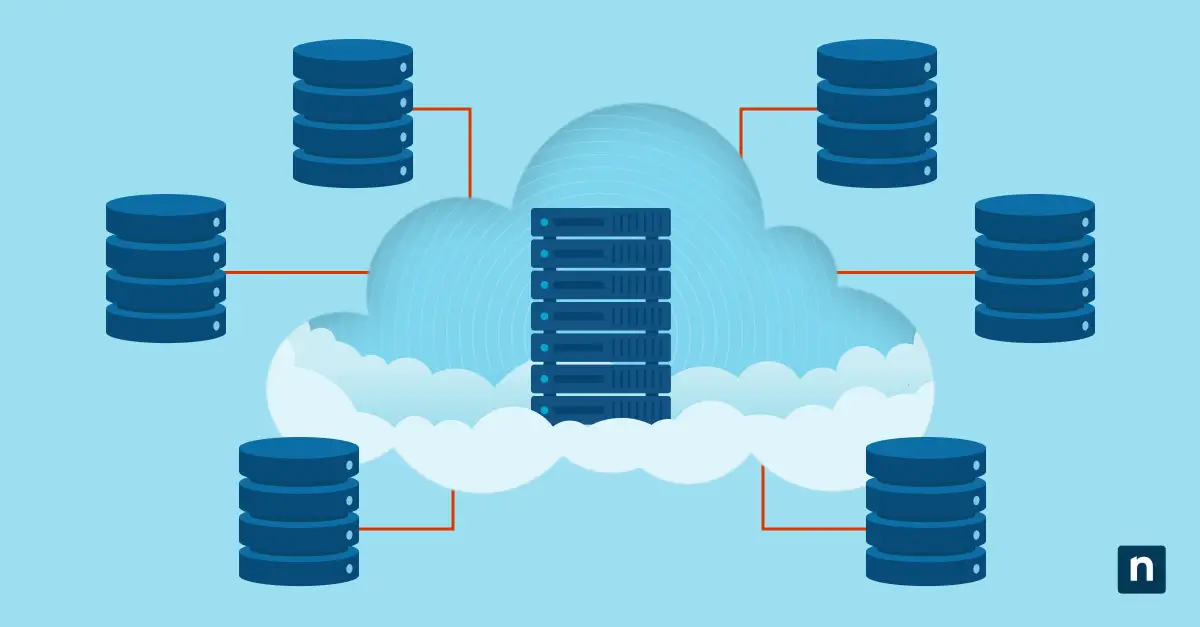
How SAN Enables High Availability
SANs are designed with redundancy and fault tolerance at every layer. Here’s how they achieve HA:
-
Multiple Storage Controllers
- SAN storage arrays usually have at least two controllers.
- If one fails, the other takes over seamlessly (failover).
-
Dual Power Supplies
- SAN devices and storage arrays use redundant power supplies connected to separate power circuits.
- This protects against power failures in one source.
-
Multipathing (Redundant Network Paths)
- Servers connect to SAN storage through multiple physical network paths.
- If one path (cable, switch, or port) fails, the other continues to provide access.
-
RAID or Replication
- RAID (Redundant Array of Independent Disks) protects against disk failures.
- Replication (synchronous or asynchronous) mirrors data across different arrays or even data centers.
-
Cluster Integration
- SANs are often paired with server clusters.
- If one server fails, another server in the cluster can immediately take over, accessing the same SAN data.
Example: Hospital IT System
In a hospital, patient data must be accessible 24/7:
- Doctors need real-time access to patient history and lab results.
- A SAN setup with dual controllers, redundant paths, and replication ensures that even if one component (controller, switch, disk) fails, data remains available instantly.
- Without HA in SAN, even a short outage could mean delays in life-critical care.
Bonus/WOW Tip
Some enterprise SANs offer geographically distributed HA — also known as metro clusters:
- Data is replicated in real-time across two different data centers in different locations.
- Even if an entire building or city loses power, the system automatically switches to the remote SAN without users noticing downtime.
- Example: Large banks often use metro clusters to ensure uninterrupted ATM and online transactions.